In recent years, solar outdoor lights have gained popularity for their energy efficiency and eco-friendliness. However, a key question remains: how bright are solar outdoor lights for effective use? Industry studies indicate that solar lights can emit between 100 to 1000 lumens, depending on the model and design. This range can significantly impact outdoor visibility and security.
Expert Ivan Lee, a well-known figure in solar technology, states, “Brightness is essential. It determines whether these lights truly serve their purpose.” His insights emphasize the importance of understanding the specific needs for illumination in various outdoor settings. For instance, a pathway may only require 100 lumens, while larger areas like gardens may need over 800 lumens to be adequately lit.
Despite advancements, many solar lights fall short in providing sufficient brightness during extended cloudy days. The reliance on sunlight limits their effectiveness in regions with frequent overcast weather. Users should consider these factors when selecting solar outdoor lights. Understanding "how bright are solar outdoor lights" can lead to better choices and improved outdoor spaces.
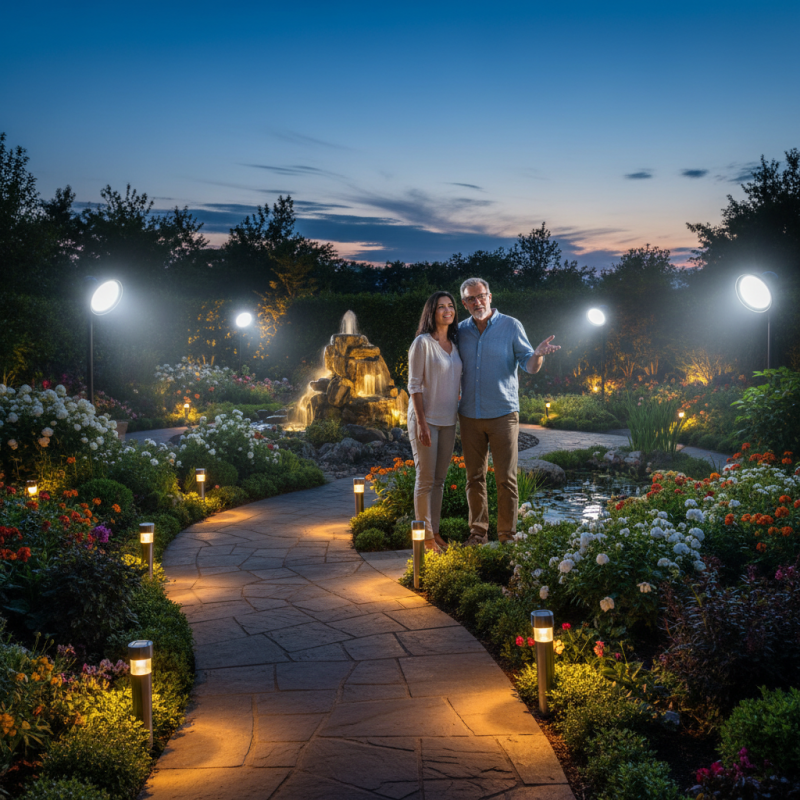
The brightness of solar outdoor lights plays a critical role in their effectiveness. Many users overlook this aspect. Reports indicate that ideal brightness levels for outdoor lighting range between 300 to 800 lumens. This range ensures visibility while enhancing safety and ambiance. Some solar lights claim high lumen outputs, yet real-world performance can vary based on factors like battery quality and solar panel efficiency.
Moreover, the quality of light is just as vital as the quantity. For example, lights emitting a cool white color (5000K to 6500K) are perceived as brighter compared to warmer shades. This perception can influence user satisfaction significantly. A study conducted by the Lighting Research Center states that appropriate brightness not only deters potential intruders but also encourages safe navigation in outdoor spaces.
Users often report frustration when solar lights do not meet expected brightness. Sometimes, solar technology can underperform in low sunlight conditions, affecting usability. While energy efficiency is essential, balancing it with adequate brightness remains a challenge. Thus, understanding the importance of brightness in solar outdoor lights can guide better purchasing decisions for both safety and aesthetic preferences.
When considering the brightness of solar outdoor lights, several key factors come into play. The type of solar panel used significantly affects how much light can be produced. High-efficiency panels collect more sunlight during the day. This, in turn, results in brighter illumination at night. Another point to consider is the quality of the LED bulbs. Some cheap options may provide less light output than expected, despite similar wattage claims.
Battery capacity also influences brightness. A larger battery can store more energy for the evening. If the battery drains quickly, the light will dim sooner than anticipated. Weather conditions can be a hidden factor too. Overcast days reduce solar energy collection, leading to lower brightness in evening hours. Placement matters; lights positioned in shadow won’t perform as well as those in direct sunlight.
Ultimately, measuring brightness is complex. User experience can vary widely based on these elements. Each installation might yield different results. Some may find their lights outshine expectations, while others may feel disappointed. Reflecting on these factors can lead to better decisions in the future. Understanding these nuances enhances overall satisfaction with solar outdoor lighting.
When considering solar outdoor lights, brightness is key. Two primary factors define brightness: lumens and wattage. Lumens measure the light output. For effective lighting, select fixtures with at least 100 lumens for pathways. This creates visibility without overwhelming.
Wattage might seem important, but it doesn't directly correlate to brightness in solar lights. Solar efficiency plays a crucial role here. Efficient solar panels harness sunlight better and keep the lights shining longer. This efficiency translates to more reliable lighting during darker months.
Tips for choosing the right solar lights: look for those with adjustable brightness settings. This feature allows you to conserve energy when full brightness isn’t necessary. Additionally, consider your location's sunlight exposure. If your area has long winters, choose lights that can store more energy. It's essential to assess your lighting needs carefully. Not every solution fits every setting.
When considering outdoor lighting, brightness is crucial. Different areas require different light levels. For path lighting, around 100 lumens per fixture is typically adequate. This brightness ensures safety without being overwhelming. A study by the Illuminating Engineering Society suggests that for residential pathways, a range between 70 to 150 lumens is optimal.
For larger areas like patios, the brightness should increase. Recommended levels range from 200 to 400 lumens. This level creates a welcoming atmosphere. In contrast, areas requiring security lighting often need a higher threshold. Some reports indicate that 400 to 1000 lumens may be necessary for effective deterrence of unwanted visitors.
However, many outdoor lights boast high brightness. This isn't always beneficial. Too much brightness can cause glare, which disturbs both people and wildlife. It's essential to find a balance. Local regulations should also be respected. Each community may have specific guidelines to follow. Lighting designs should align with these to ensure compliance and safety.
When selecting solar outdoor lights, brightness is crucial. Experts recommend measuring brightness in lumens. Typical solar lights range from 100 to 800 lumens. For path lighting, 100-200 lumens may suffice. For more security-oriented applications, 700 lumens or more is advisable. According to industry data, higher lumens correspond to better visibility and safety.
Consider the purpose of the lights. Decorative lighting can work well with lower brightness levels. However, if your goal is to illuminate larger areas or deter intruders, aim for higher lumen output. Solar lights with sensors can enhance efficiency. They only light up when needed, saving energy while providing necessary brightness.
Not all solar lights perform equally in different conditions. Some may struggle in cloudy weather. Reviews indicate that seasonal changes can affect battery performance as well. It's essential to assess light placement to maximize solar absorption. Carefully reflecting on these factors can lead to a better choice for outdoor lighting solutions.
| Light Type | Lumen Output | Ideal Use Case | Battery Life |
|---|---|---|---|
| Solar Path Lights | 50-150 lumens | Pathways and Walkways | 4-10 hours |
| Solar Flood Lights | 200-800 lumens | Large Areas and Security | 5-12 hours |
| Solar Wall Lights | 100-300 lumens | Wall Mounts for Patios | 6-12 hours |
| Decorative Solar Lights | 30-100 lumens | Gardens and Decoration | 4-8 hours |
| Solar String Lights | 10-50 lumens | Decoration for Events | 6-10 hours |
: Ideal brightness levels range from 300 to 800 lumens. This ensures visibility and safety.
Yes, appropriate brightness deters intruders and supports safe navigation outdoors.
Cool white lights (5000K to 6500K) appear brighter than warmer shades. This affects user satisfaction.
For path lighting, 70 to 150 lumens per fixture is optimal. It’s sufficient for safety.
Patio lights should have 200 to 400 lumens for a welcoming atmosphere without excess glare.
Yes, excessive brightness can cause glare. It may disturb people and wildlife alike.
Solar technology often underperforms in low sunlight conditions, impacting overall brightness.
Yes, communities may have specific guidelines. It's vital to adhere to these local regulations.
Users often feel frustrated when the brightness does not meet their expectations in real-world conditions.
Manufacturers must balance energy efficiency with adequate brightness levels. This is often a complex issue.
Understanding how bright are solar outdoor lights is essential for effective use in various settings. Brightness is measured in lumens, which indicates the amount of light produced, and several factors can influence these levels, including the solar panel efficiency and battery capacity. When comparing different lighting options, it's important to consider both wattage and lumens to determine overall performance.
Optimal brightness varies according to specific outdoor applications, such as pathways, gardens, or security lighting. For instance, a higher lumen rating is ideal for security, while softer lighting may suffice for decorative purposes. When selecting solar lights, homeowners should take into account the intended use and ambient conditions to choose the right brightness, ensuring maximum functionality and aesthetic appeal. Ultimately, understanding these elements will lead to more informed decisions regarding solar outdoor lighting solutions.

GKE Power